The Doors of the Invisible.
Kandinsky, Klee, Malevich in light of the thought of Pavel Florensky
curated by Roberto Cresti, Emilio Ferrario, Valentina Parisi
Scientific committee: John Bowlt, James Bradburne, Silvia Cavalchi, Luigi Grasselli and Nicoletta Misler
Palazzo Magnani, 14 November 2026 – 14 March 2027
- Wednesdays and Thursdays: 10-13 and 15-18
- Friday, Saturday, Sunday: 10-19
- SPECIAL OPENINGS
- 24 November, 7, 8 December: 10-19
- from 26 to 30 December and from 2 to 6 January: 10-19
- 1 January: 15-19
- CLOSED ON 25 and 31 December
- Last admission one hour before closing time
The initiative takes the form of a huge research project, an immersive journey into the roots of the great artistic and scientific revolution of the early 20th century. Continuing the reflection on the representation of space and vision embarked on by Palazzo Magnani with the exhibitions dedicated to Piero della Francesca in 2015 and M.C. Escher in 2013, the project will establish an unprecedented dialogue between the masterpieces of the historical abstract avant-gardes, Russian icons and the extraordinary figure of Pavel Florensky.
A scientist, mathematician, theologian, educator and art theorist, Florensky (1882–1937) was one of the most multi-faceted and profound thinkers of modernity, so much so that he was described by his contemporaries as “the Russian Leonardo da Vinci”. His work, located where scientific investigation and the search for the transcendent intersect, offers an exceptional interpretative lens through which to read the cultural climate of the period in a new way. In the early 20th century, art, science and technology were not separate fields, but faces of the same polyhedron, as demonstrated by the research carried out by the Bauhaus in Germany and Vkhutemas in Russia. In this climate of profound renewal – marked by Albert Einstein’s theories of relativity, Bernhard Riemann’s non-Euclidean geometry and Georg Cantor’s mathematics of the infinite – artists sought new languages to go beyond naturalism and the rigid perspective of the Renaissance, understood until that point as a coercive and insufficient framework.
The exhibition brings this reversal of perspective to the public’s attention by demonstrating how Florensky’s thinking mirrored and addressed the same needs perceived by painting’s great masters. For the Russian scholar, ordinary three-dimensional reality was a partial vision; things have a temporal substance and belong to a fourth dimension that art has the task of revealing. In the same way, the exhibition has been designed to highlight how leading avant-garde figures were guided by the rejection of the Cartesian theory of container-space and the recovery of a spiritual vision. Through artworks from major European institutions – including Zentrum Paul Klee in Bern, the Costakis Collection in Thessaloniki and prestigious private collections – the exhibition traces three ideal paths for exploring this new sensitivity to space.
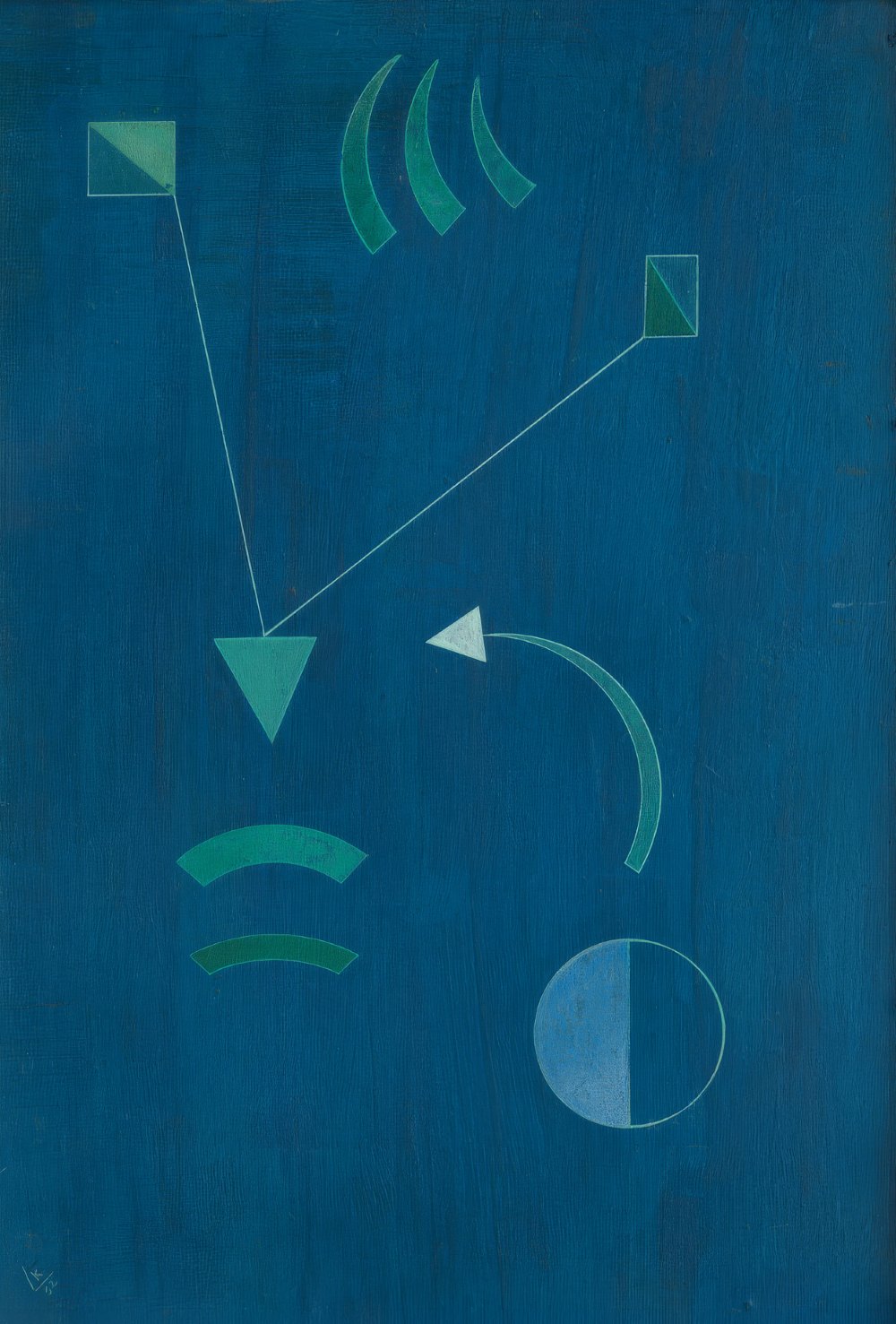
The first focuses on Wassily Kandinsky and his spiritual geometries. The artist arrived at a use of colour that dissolves the weight of the natural world to be transformed into a channel of direct contact with what lies beyond the senses. Kandinsky’s abstraction is dynamic, set in a space made of planes that intersect like endless wings of a theatre, in a direct comparison with Russian icons rich in Orthodox symbolism.
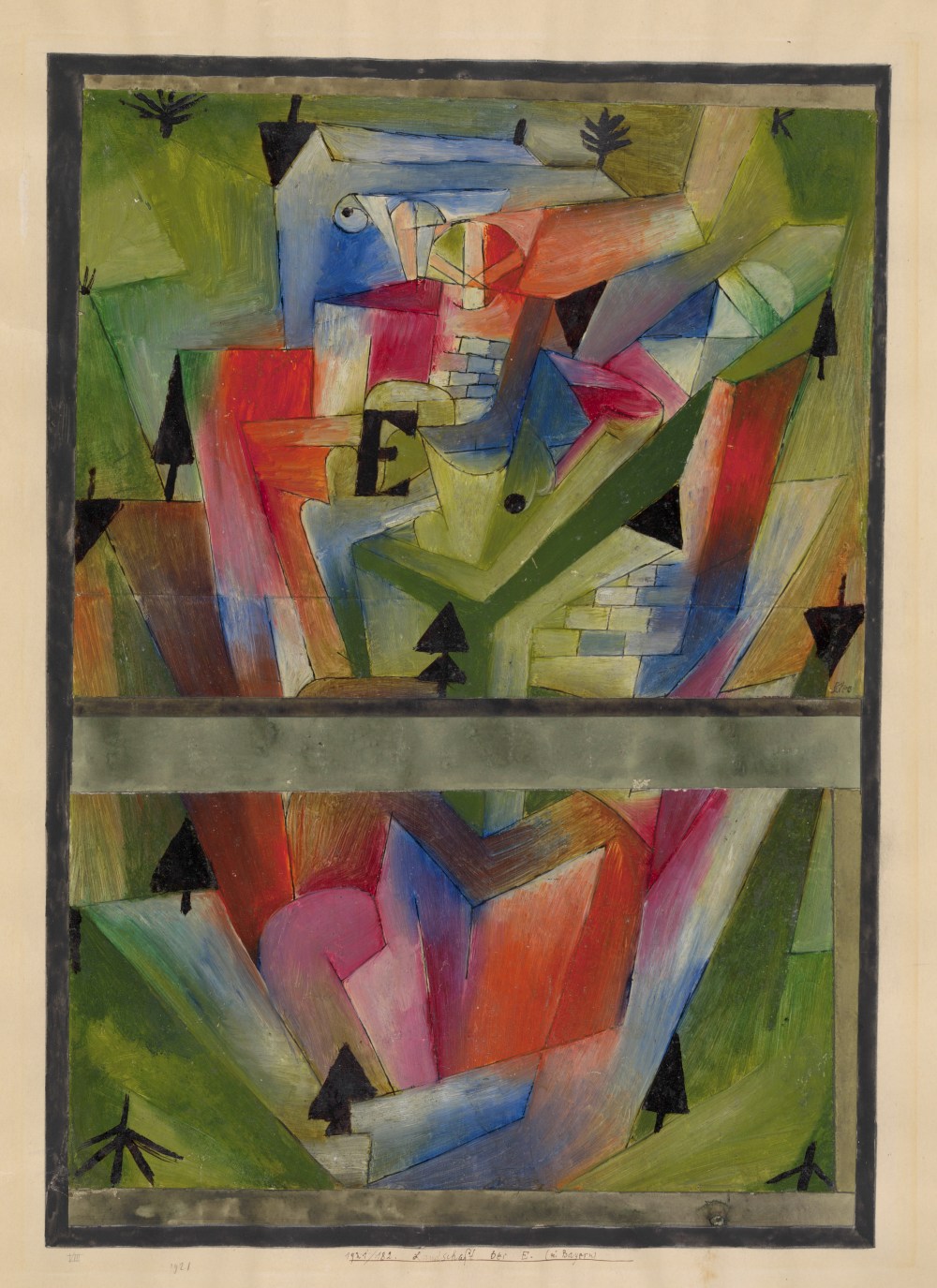
The second path explores the work of Paul Klee, in which abstraction becomes a fairytale. Klee’s visual universe revolves around a centre that transcends external reality; the space of the representation is deconstructed in the hands of the artist who works like a puer aeternus or eternal boy, finding an ideal parallel in icons with a more lyrical and narrative quality.
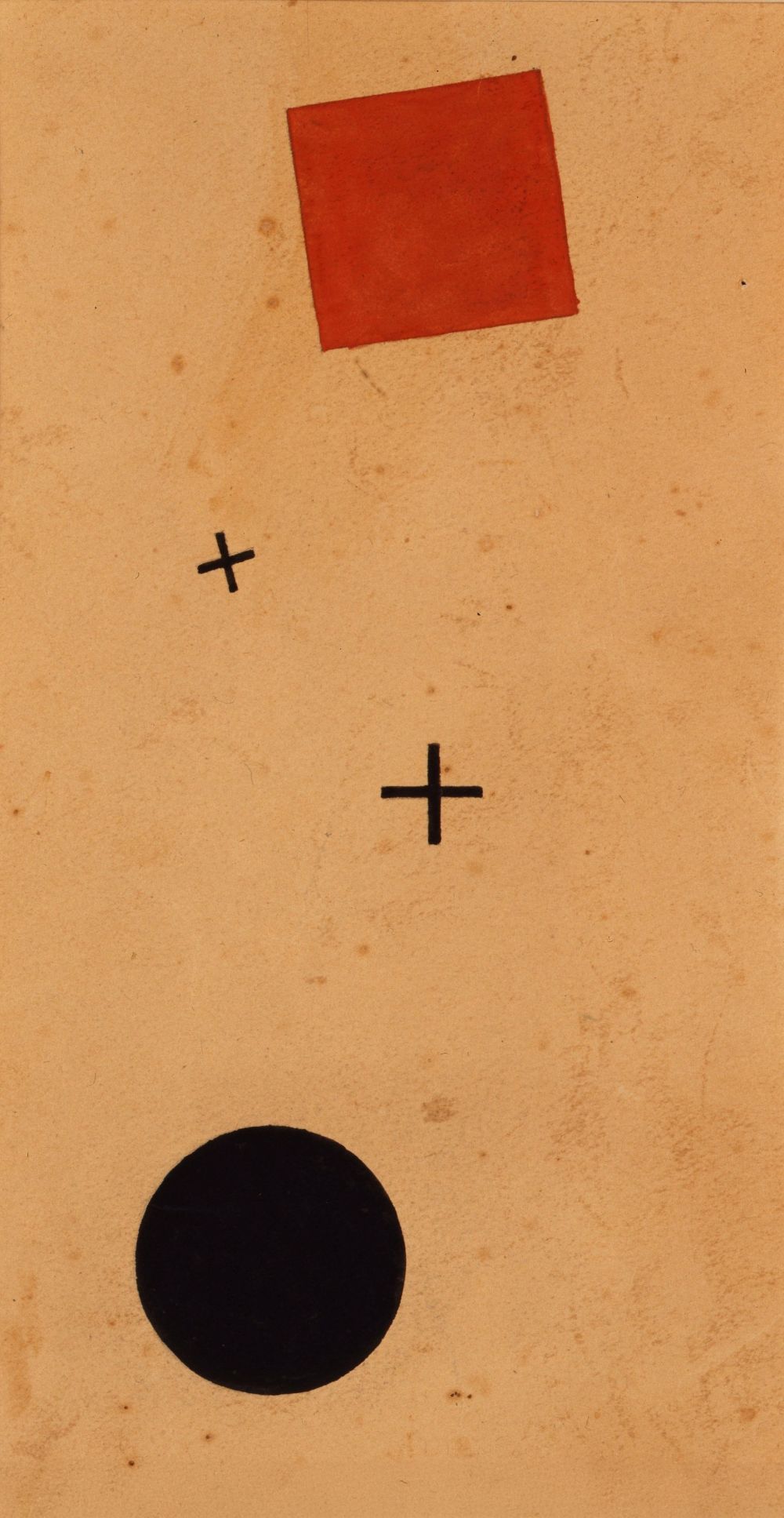
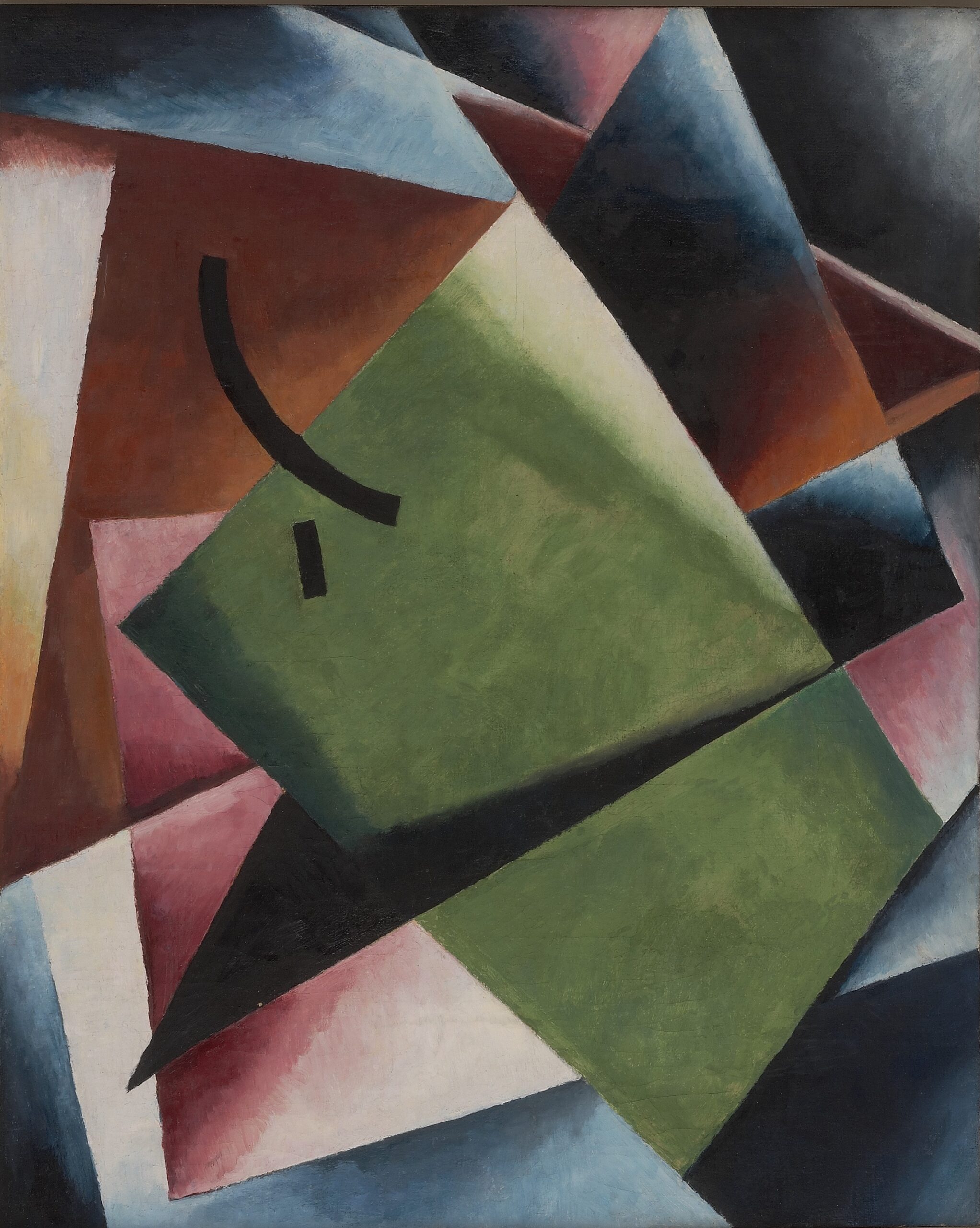
The third path is that of Kazimir Malevich and the suprematist movement, dedicated to the purity of thought. Malevich represents non-objectivity in which reality and ideal geometry merge into a self-sufficient fourth dimension. In his artworks, the expressive plane does not point elsewhere, but is presented absolutely to itself, resonating with the essential spatial quality of medieval icons devoid of naturalistic details.
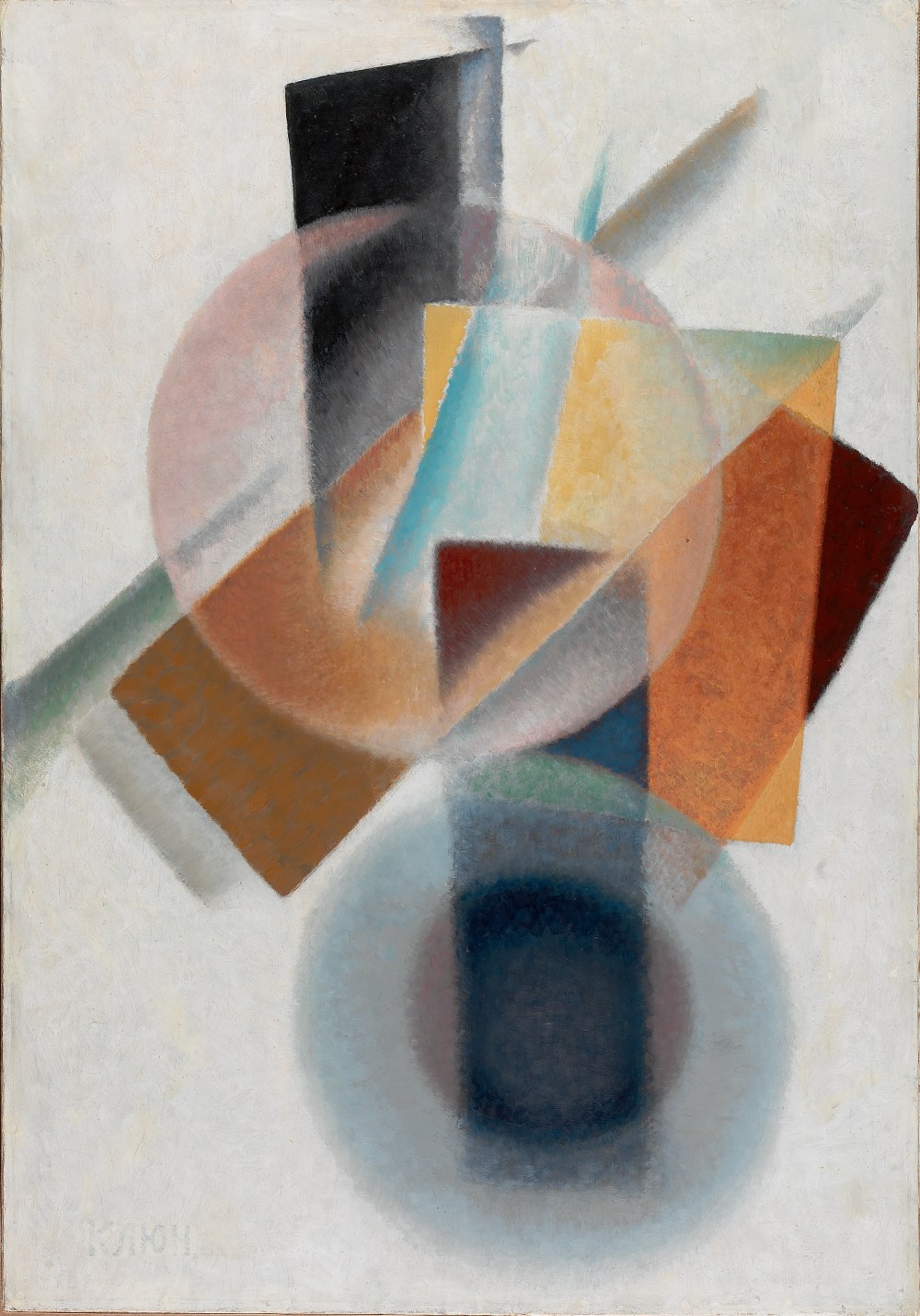
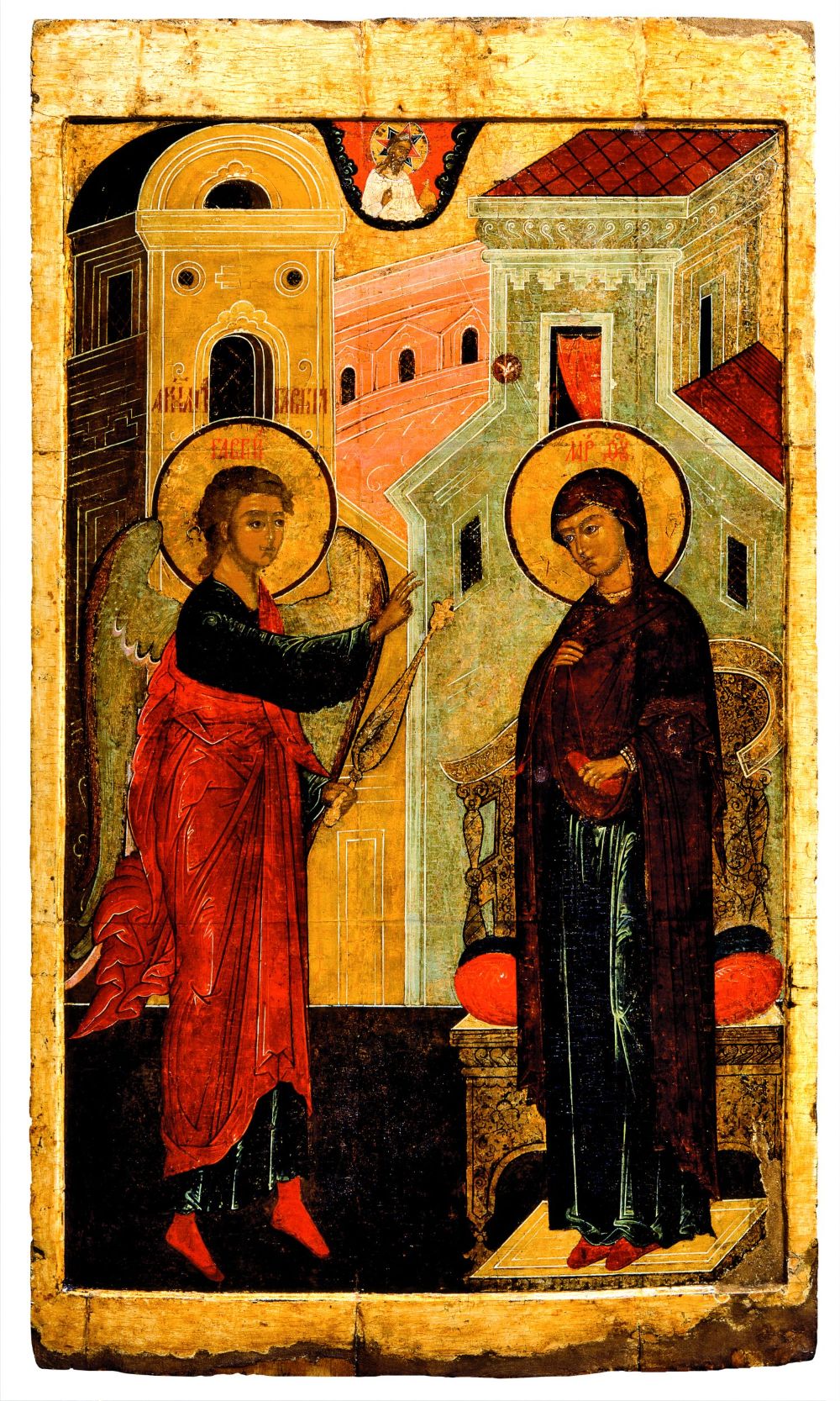
On the first floor at Palazzo Magnani, paintings by Kandinsky, Klee, Malevich and other figures in the suprematist school, including Ivan Kliun and Ljubov Popova, will be arranged in a tight dialogue with a selection of Russian icons from the 15th to the 18th century, from the extraordinary Banca Intesa di Vicenza collection.
Florensky’s consideration of icons played a key role in the secular rediscovery of early Russian painting at the beginning of the 20th century, when artists understood that the reverse perspective of icons was not a naive technique, but a conscious way of organising space according to the symbolic value of things. Despite the critical distance Florensky always maintained towards the most extreme formal outcomes of the avant-garde, the theoretical premises and desire to overthrow the primacy of figurative naturalism resonate similarly.
The exhibition is enhanced and completed by its inclusion of the scientific dimension from the outset. Its partnership with the Istituto Nazionale di Fisica Nucleare (INFN – Italian National Institute for Nuclear Physics), which led to the creation of the Curving Space immersive room, is fundamental. Through this installation, visitors will be able to physically visualise Florensky’s idea that space is not an inert void, but a field of forces shaped and curved by the masses that inhabit it.
The exhibition also has a strong didactic and informative vocation, and aims to be an educational tool in its own right. In the ground floor rooms, before the main exhibition, visitors will find an interactive space designed with the help of Luigi Grasselli and James Bradburne. Through digital tools, virtual reconstructions and physical installations, schools, families and enthusiasts will have the chance to experience firsthand the principles of mathematics, geometry and perspective that revolutionised modern culture.
Tickets
Buy your ticket online or at Chiostri di San Pietro ticket office
Open
18 €
Full rate
15 €
Reduced
12 €
Students (19-26 yo)
6 €
Kids (6-18 yo)
5 €
Family tickets
16-36 €
Concessions: over 65, people with disabilities, holders of Fondazione Palazzo Magnani exhibition tickets, groups of at least 10 people, membership card affiliated institutions, Card Cultura Bologna, YoungER card, (reductions currently being finalised)
Students: students from 19 to 26 years old with a university card
Free admission: carers of people with disabilities, children under 6 years-old, members of Fondazione Palazzo Magnani, press-accreditated journalists, members of Peggy Guggenheim Collection, Palazzo Strozzi and Camera, ICOM members
Family tickets (to be purchased only at the ticket office of Chiostri di San Pietro): to be determined
promoted by

with