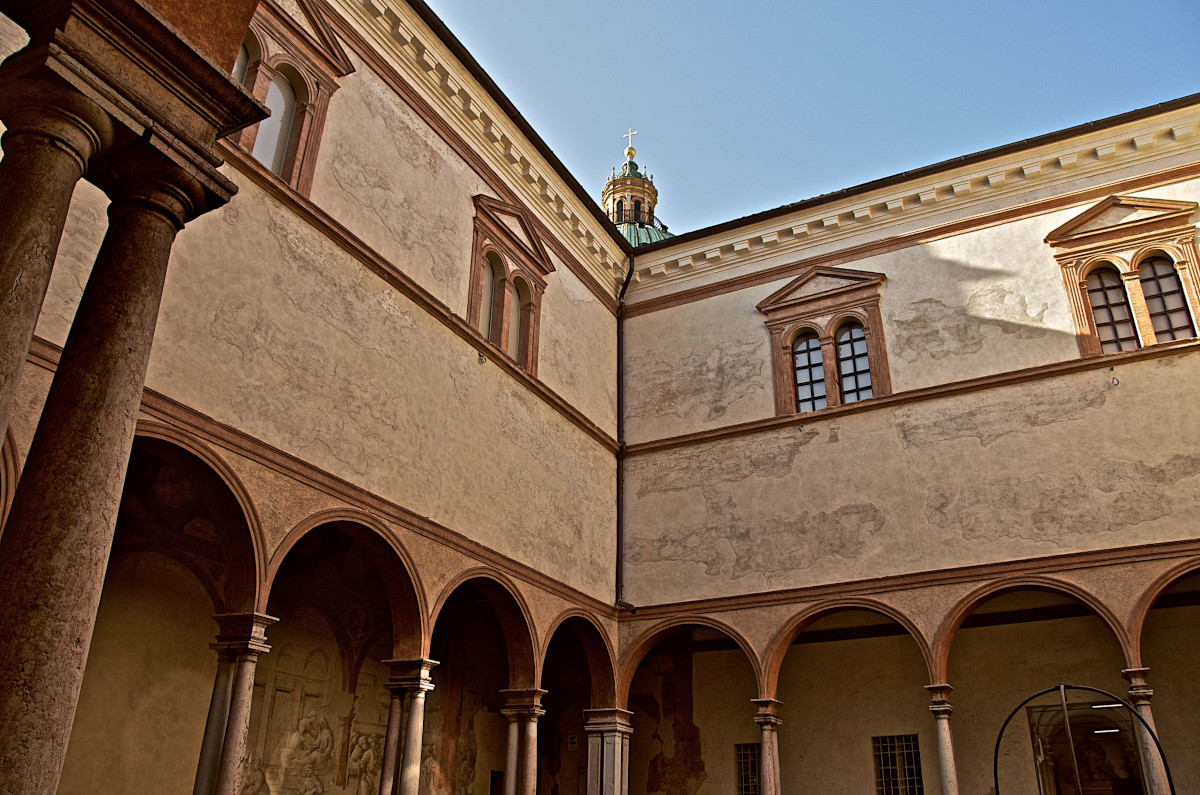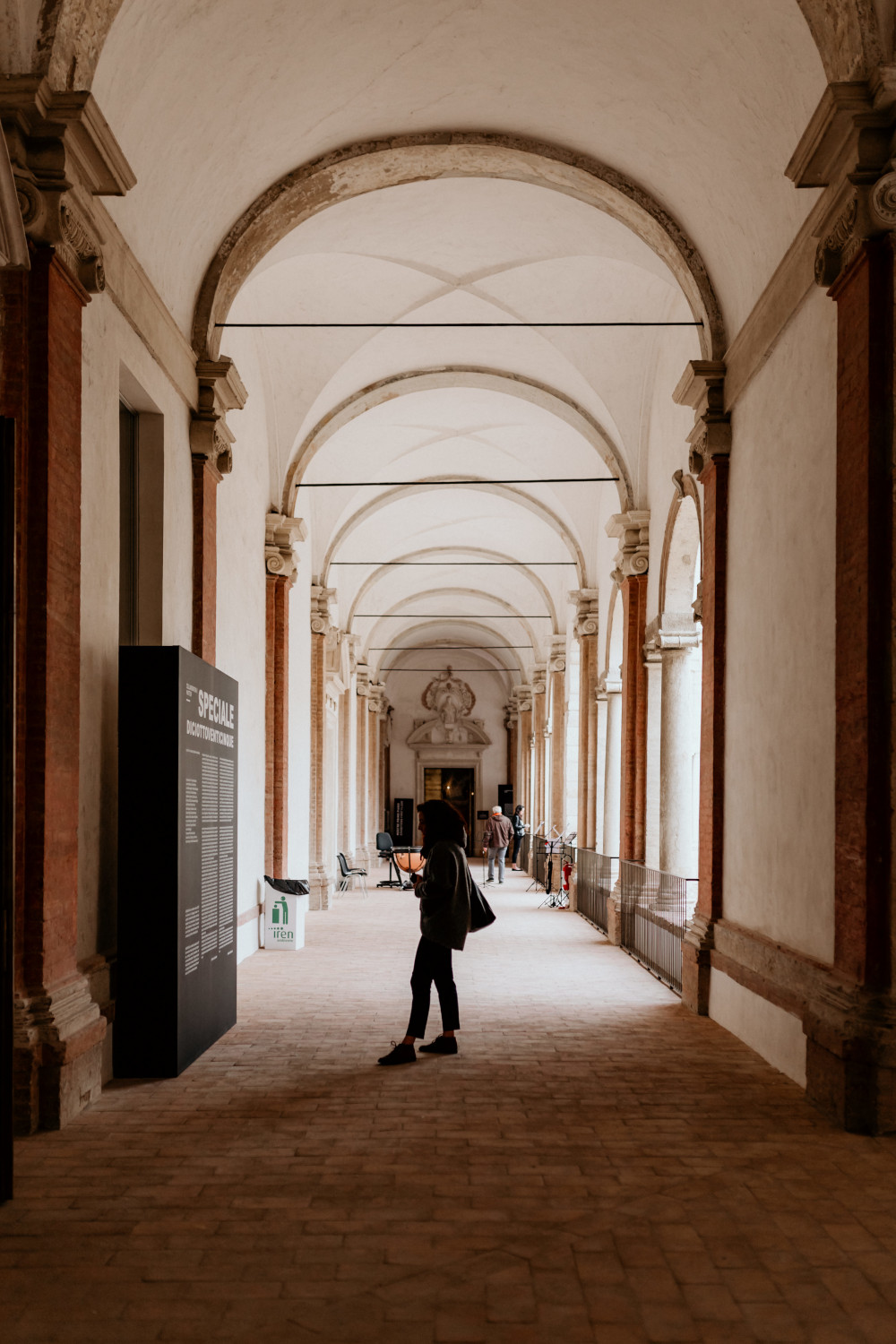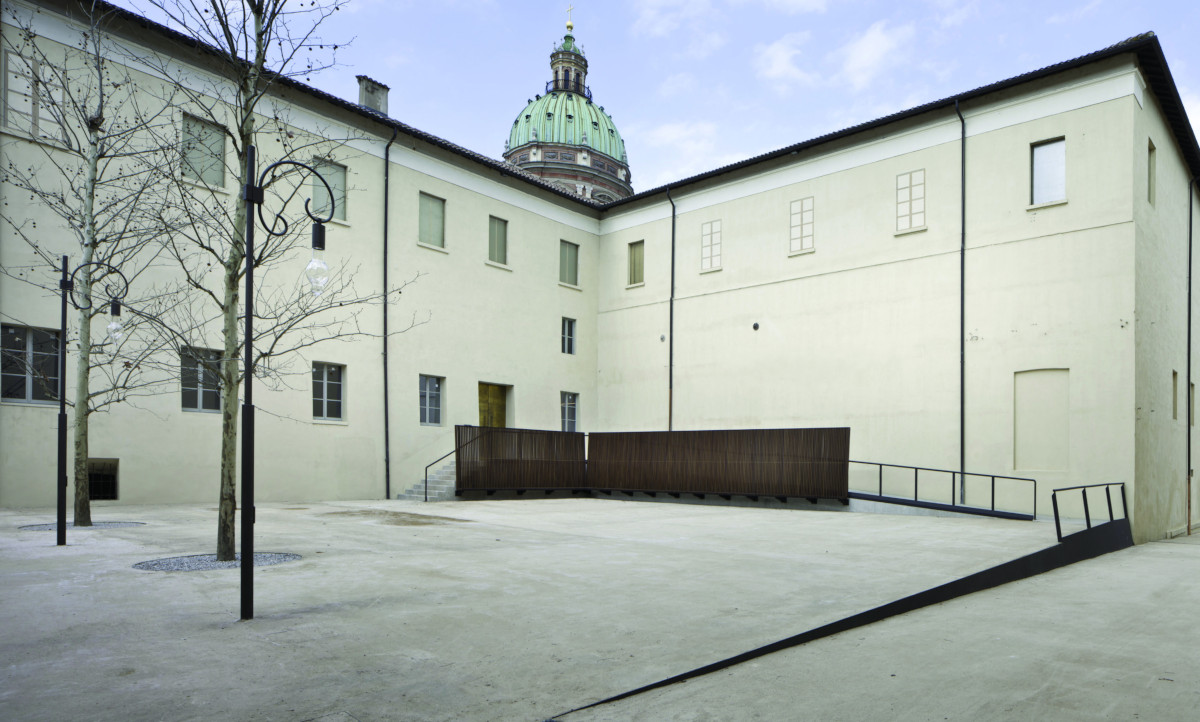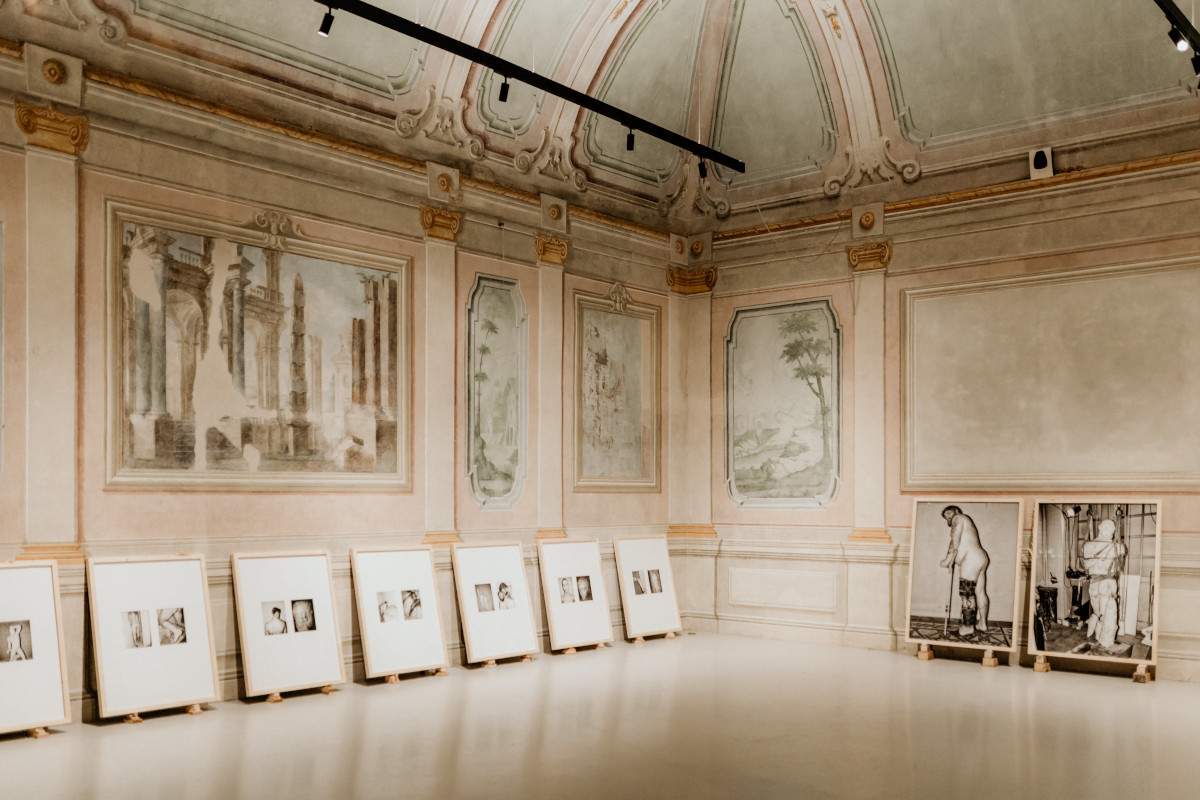
L’ex Monastero apparteneva ai Monaci Benedettini, che officiavano nell’annessa Chiesa di San Pietro.I lavori per la costruzione dei Chiostri presero avvio all’inizio del XVI secolo, dovendosi trasferire in città un precedente convento ubicato fuori le mura.
Il complesso monastico, comprensivo di cortili e orti, venne articolato intorno a due chiostri: uno di ridotte dimensioni dalla foggia tardo quattrocentesca e uno di ampia planimetria e di gusto manierista.
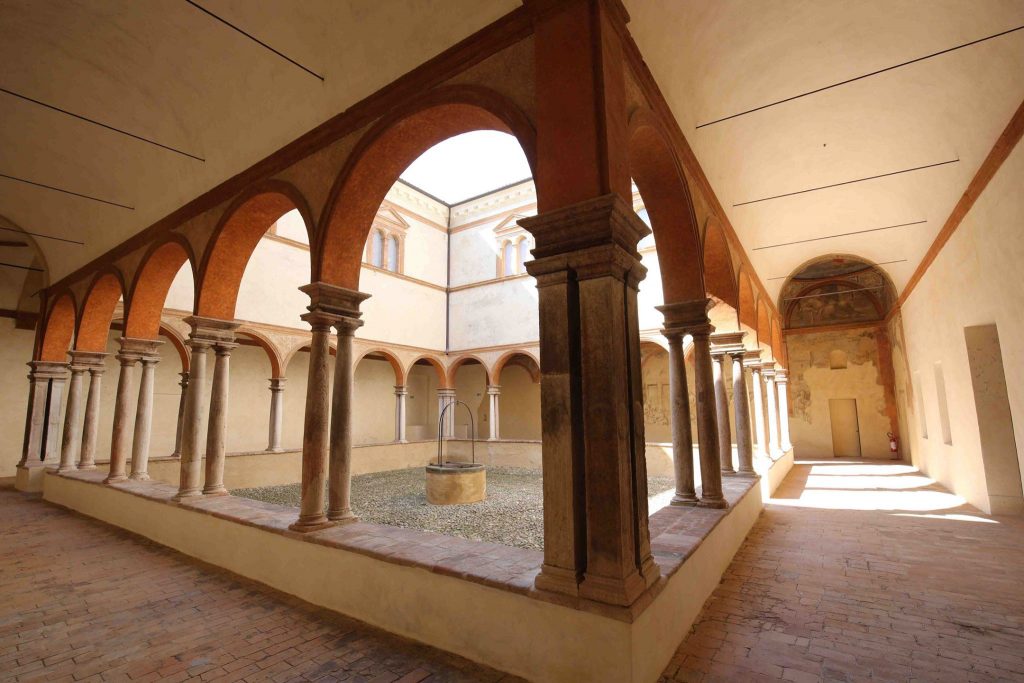
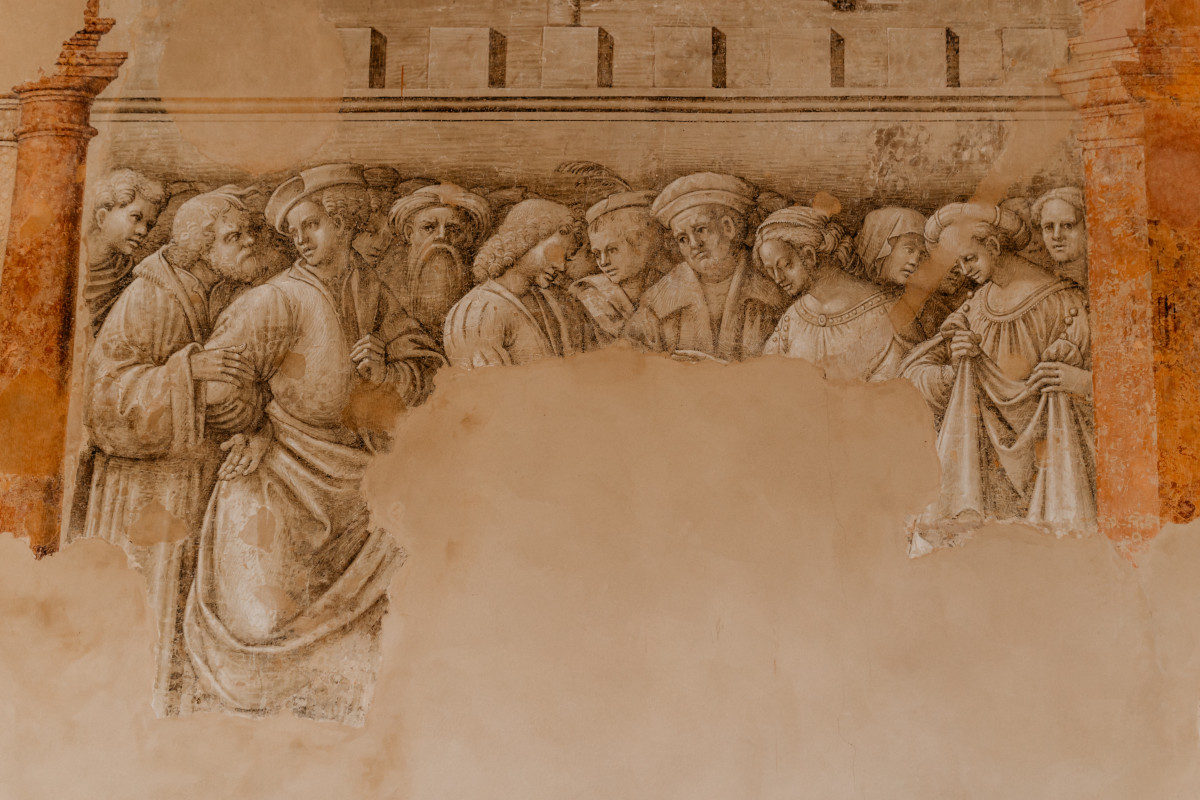
Il Chiostro piccolo fu realizzato tra il 1524 e il 1525 da Bartolomeo Spani, figura artistica dominante nel primo Cinquecento reggiano, che vi adottò un impianto tipicamente rinascimentale – modulare di impronta brunelleschiana. Grazie al recente restauro sono state recuperate, almeno in parte, le pareti affrescate che furono ricoperte da uno strato di calce negli anni cinquanta.
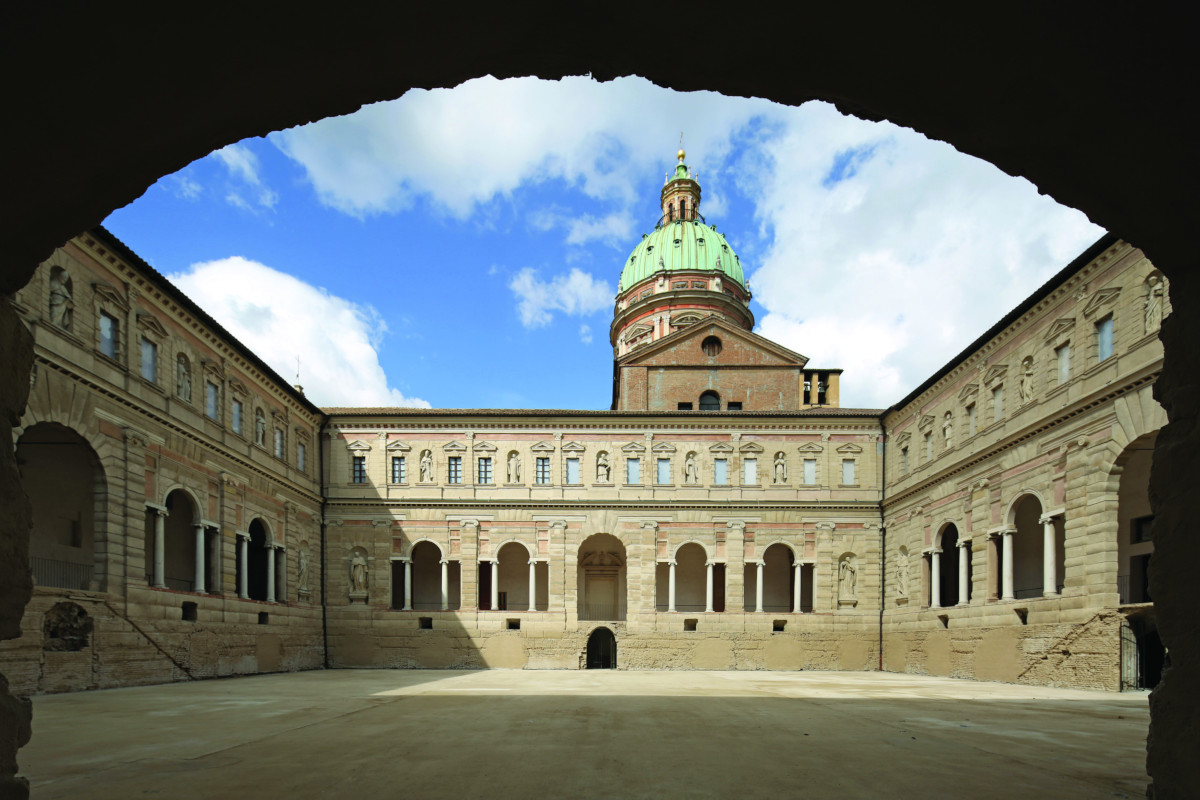
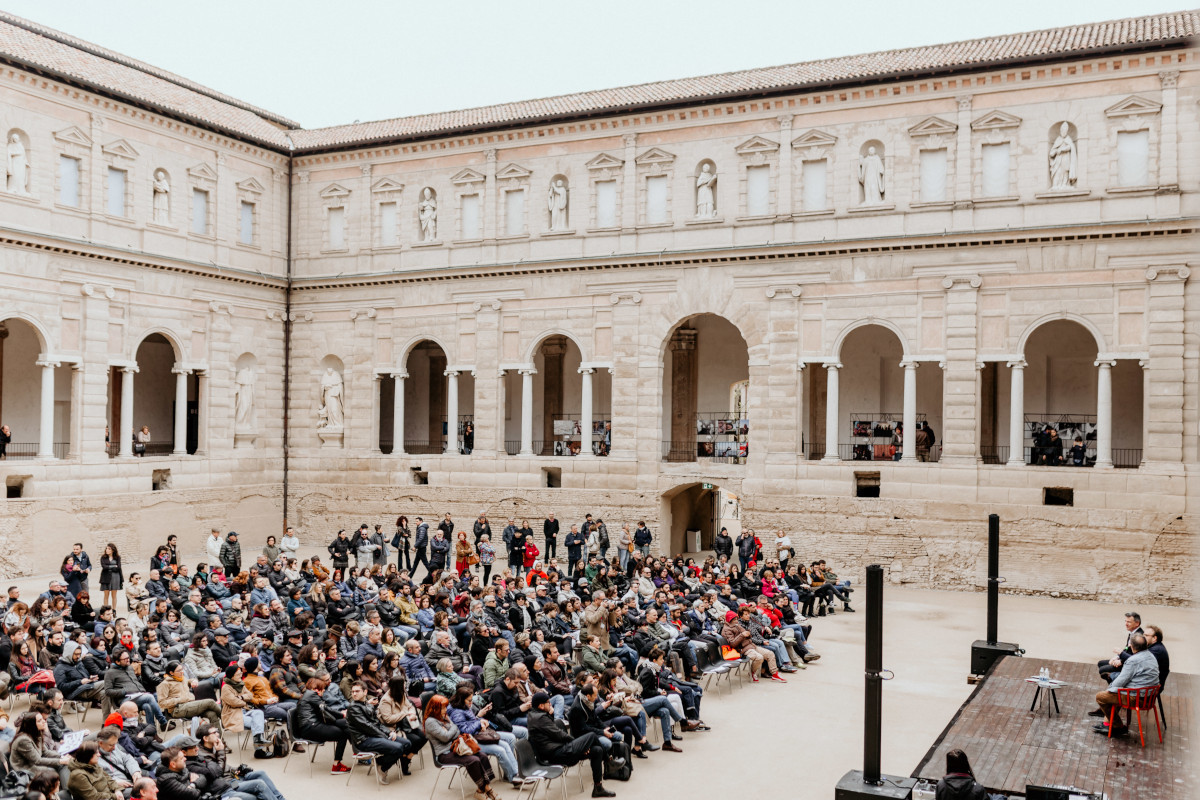
Di gusto completamente diverso è il Chiostro grande, realizzato circa sessanta anni dopo, da Prospero e Francesco Pacchioni, che adottarono un impianto manierista con bugnato alle pareti e, al piano superiore, finestre timpanate con nicchie decorate da possenti statue di santi dell’ordine benedettino, realizzate dai fratelli Bernardo e Francesco da Lugano negli anni Sessanta del Seicento. Il progetto dei Chiostri è chiaramente stato influenzato dal modello di Palazzo Te a Mantova, disegnato da Giulio Romano.
Nel 1783 il monastero venne soppresso e utilizzato come magazzino militare e poi sede del Tribunale di Giustizia.
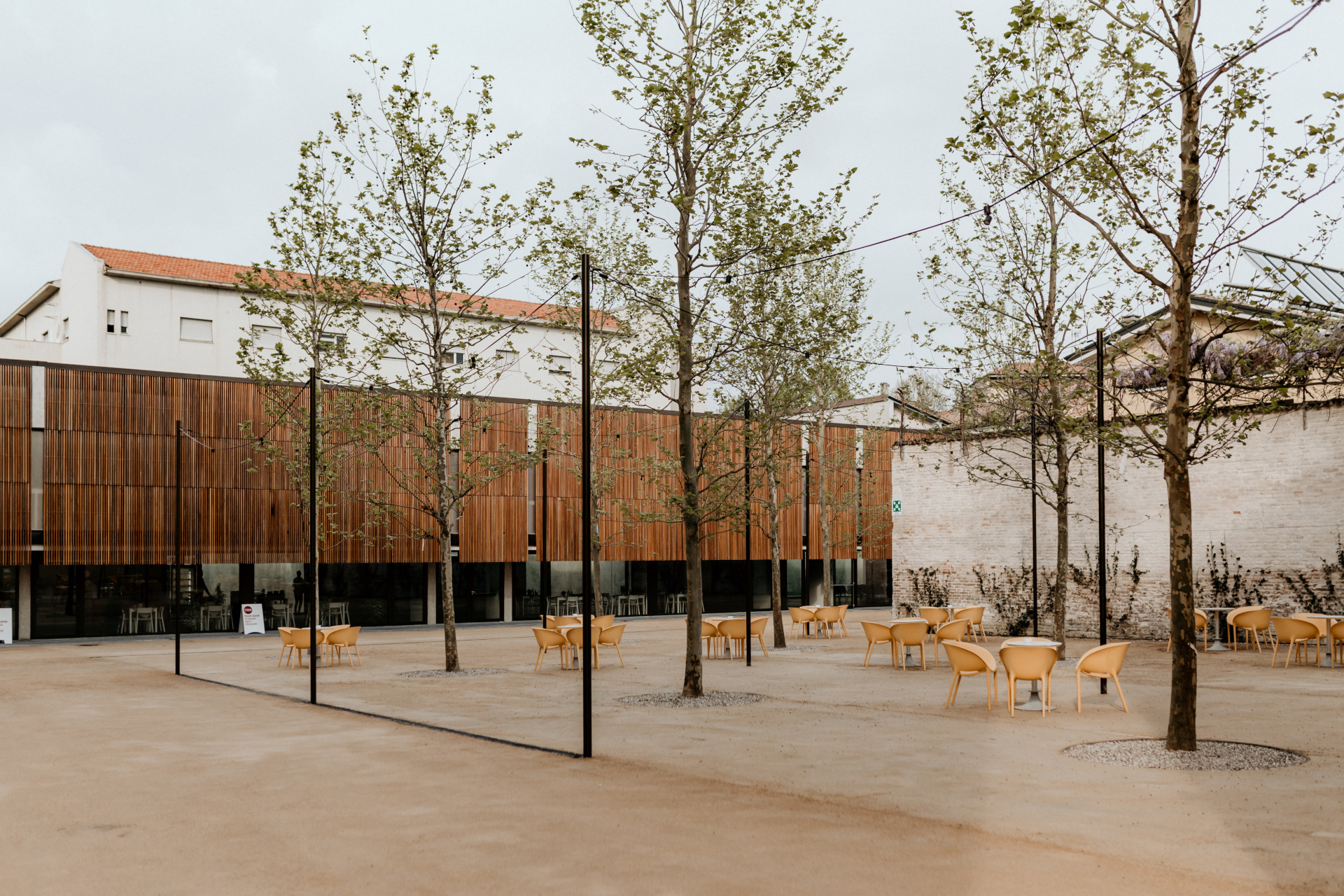
Con la Restaurazione l’immobile divenne sede dell’Educandato delle Fanciulle, affidando la trasformazione dell’edificio a Domenico Marchelli che ne uniformò il prospetto sulla via Emilia in stile neoclassico, inserendolo nel ben più vasto progetto di abbattimento dei portici della via Emilia. L’ingresso al complesso monastico, originariamente sul sagrato della chiesa, venne collocato sulla via principale separando definitivamente chiesa e monastero. Subito dopo l’Unità d’Italia l’edificio venne trasformato in caserma militare, vennero tamponate le arcate del chiostro piccolo e vennero costruiti una serie di casamenti nell’area un tempo destinata ad orti.
Il recente restauro ha cercato di riportare il complesso alla sua foggia originale. Oggi i chiostri ospitano mostre ed eventi culturali ed il Laboratorio Aperto, un luogo di partecipazione e confronto, innovazione sociale e digitale.

Iscriviti alla nostra Newsletter per non perdere gli appuntamenti di Palazzo Magnani e di Fotografia Europea
Fondazione Palazzo Magnani © 2026 tutti i diritti riservati | P.IVA 02456050356
PRIVACY POLICY | DICHIARAZIONE DI ACCESSIBILITA’

| Cookie | Durata | Descrizione |
|---|---|---|
| cookielawinfo-checkbox-advertisement | 1 year | Set by the GDPR Cookie Consent plugin, this cookie records the user consent for the cookies in the "Advertisement" category. |
| cookielawinfo-checkbox-analytics | 1 year | Set by the GDPR Cookie Consent plugin, this cookie records the user consent for the cookies in the "Analytics" category. |
| cookielawinfo-checkbox-functional | 1 year | The GDPR Cookie Consent plugin sets the cookie to record the user consent for the cookies in the category "Functional". |
| cookielawinfo-checkbox-necessary | 1 year | Set by the GDPR Cookie Consent plugin, this cookie records the user consent for the cookies in the "Necessary" category. |
| cookielawinfo-checkbox-others | 1 year | Set by the GDPR Cookie Consent plugin, this cookie stores user consent for cookies in the category "Others". |
| cookielawinfo-checkbox-performance | 1 year | Set by the GDPR Cookie Consent plugin, this cookie stores the user consent for cookies in the category "Performance". |
| CookieLawInfoConsent | 1 year | CookieYes sets this cookie to record the default button state of the corresponding category and the status of CCPA. It works only in coordination with the primary cookie. |
| elementor | never | The website's WordPress theme uses this cookie. It allows the website owner to implement or change the website's content in real-time. |
| rc::a | never | This cookie is set by the Google recaptcha service to identify bots to protect the website against malicious spam attacks. |
| rc::c | session | This cookie is set by the Google recaptcha service to identify bots to protect the website against malicious spam attacks. |
| VISITOR_PRIVACY_METADATA | 6 months | YouTube sets this cookie to store the user's cookie consent state for the current domain. |
| wpEmojiSettingsSupports | session | WordPress sets this cookie when a user interacts with emojis on a WordPress site. It helps determine if the user's browser can display emojis properly. |
| Cookie | Durata | Descrizione |
|---|---|---|
| VISITOR_INFO1_LIVE | 6 months | A cookie set by YouTube to measure bandwidth that determines whether the user gets the new or old player interface. |
| wp-wpml_current_language | session | WordPress multilingual plugin sets this cookie to store the current language/language settings. |
| Cookie | Durata | Descrizione |
|---|---|---|
| _pk_id.* | 1 year 1 month | Matomo set this cookie to store a unique user ID. |
| _pk_ses.* | 1 hour | Matomo set this cookie to store a unique session ID for gathering information on how the users use the website. |
| YSC | session | YSC cookie is set by Youtube and is used to track the views of embedded videos on Youtube pages. |
| Cookie | Durata | Descrizione |
|---|---|---|
| __Secure-ROLLOUT_TOKEN | 6 months | YouTube sets this cookie to manage feature rollout and experimentation. It helps Google control which new features or interface changes are shown to users as part of testing and staged rollouts, ensuring consistent experience for a given user during an experiment. |
| __Secure-YEC | past | Description is currently not available. |
| __Secure-YNID | 6 months | YouTube cookie used to protect user security and prevent fraud, especially during the login process. |
| _gcl_au | 3 months | Google Tag Manager sets this cookie to experiment advertisement efficiency of websites using their services. |